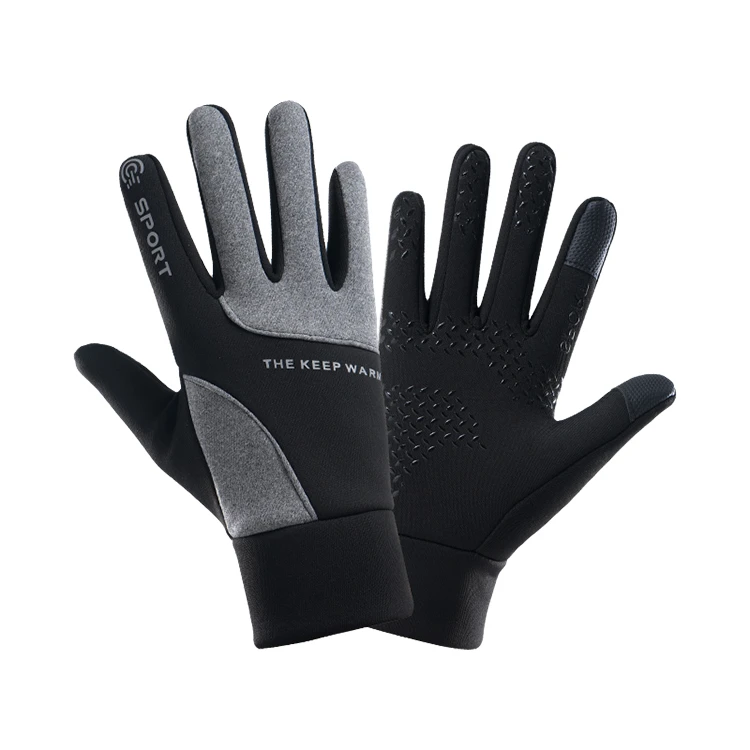

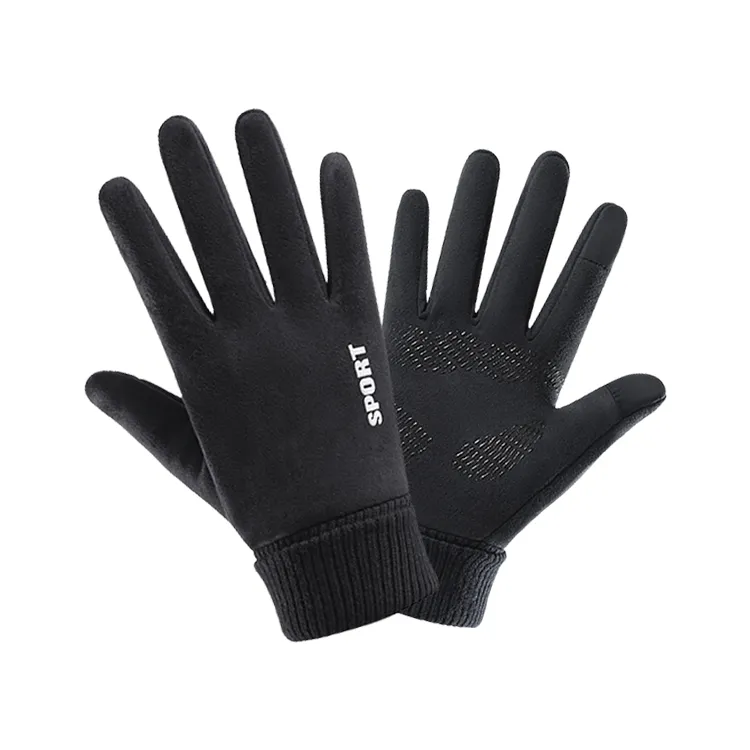
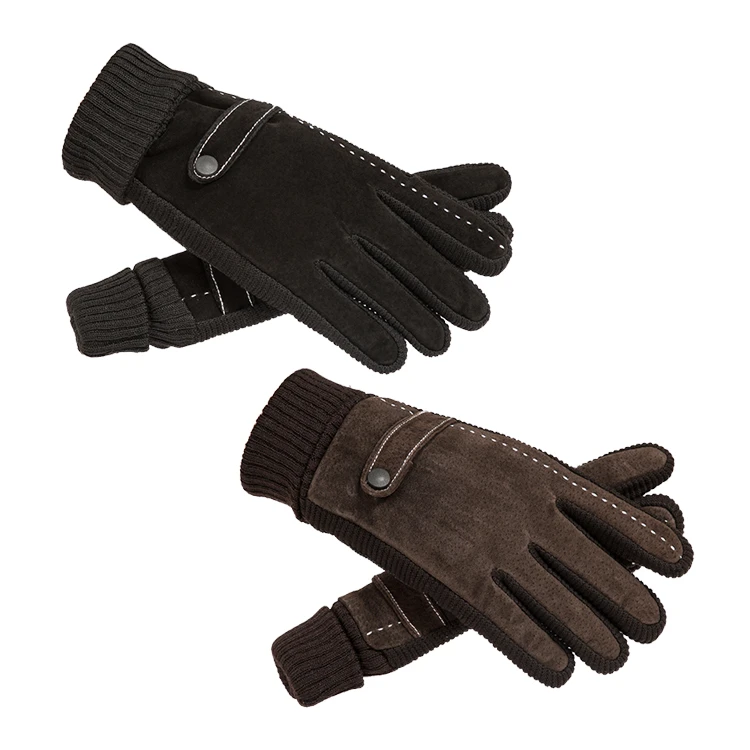
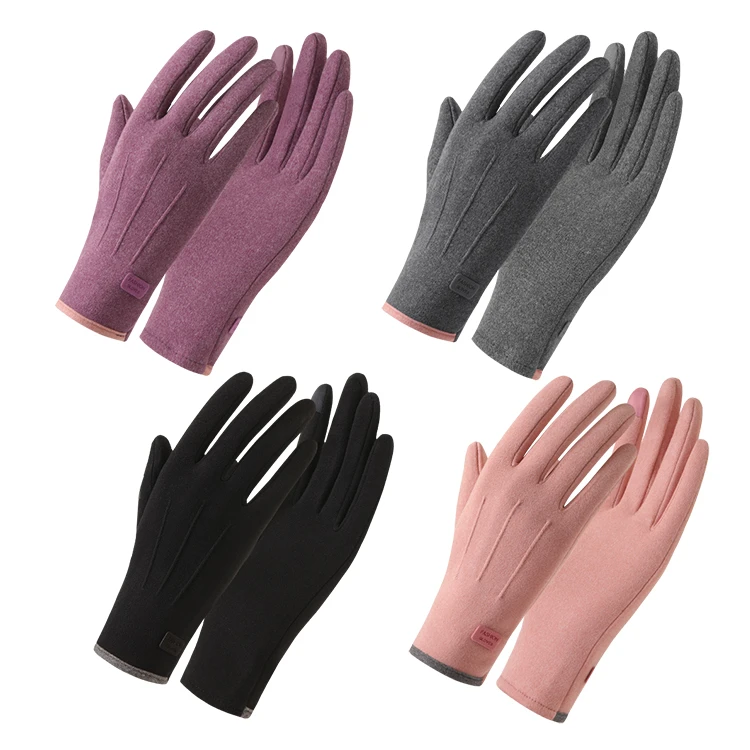

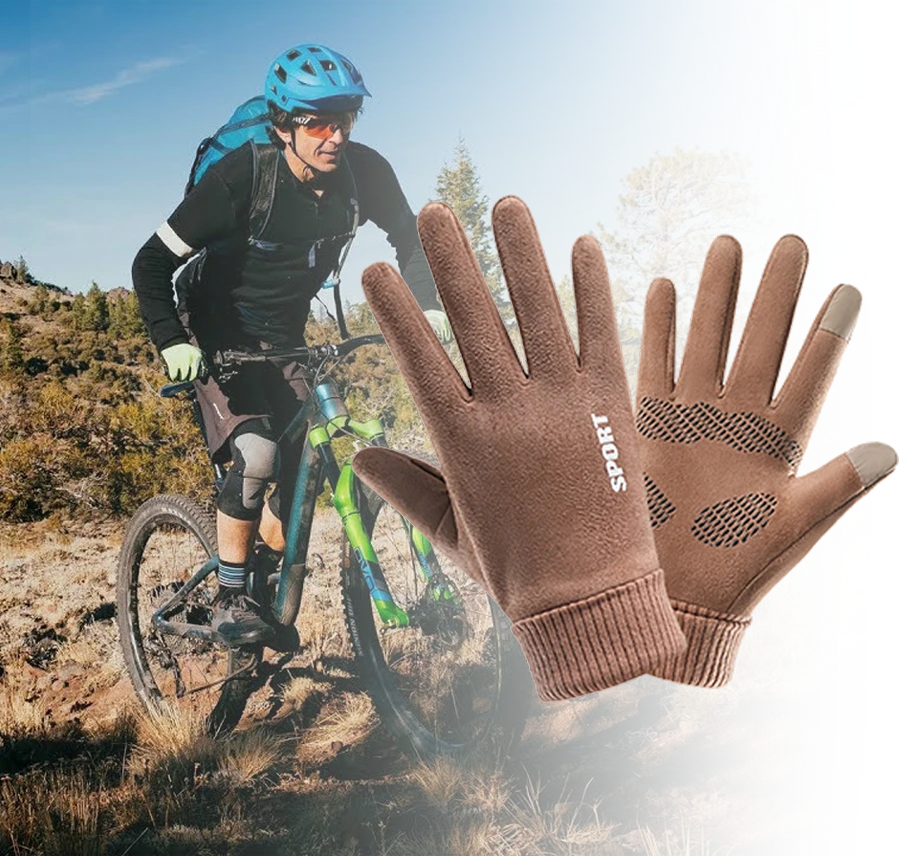
winter gloves for cell phone use
/When the cold season sets in, using a smartphone can become an uncomfortable task. Regular gloves, while warm, often lack the functionality to interact with touchscreens. This inconvenience has led to the development of touchscreen-compatible gloves. With a professional assessment and experience-based insights, it’s time to delve into the specifics of choosing the ideal gloves to use with mobile phones. Touchscreen technology relies on the electrical conductivity of your skin to register input. Regular gloves act as a barrier between your fingers and the screen, hindering the conductivity and, subsequently, the phone's responsiveness. Touchscreen gloves are designed with specific materials or technologies that mimic the conductivity of human touch. Knowing what to look for in these products can significantly improve user experience and satisfaction. Materials make a crucial difference in the effectiveness of touchscreen gloves. Conductive yarns and threads, often composed of silver or copper, are woven into the fingertips of the gloves. This ensures the necessary conductivity to operate a mobile phone without exposing fingers directly to the cold. However, technology varies across brands and models, and choosing the right one involves understanding which materials best match your needs. Silk blend gloves offer both style and function . They provide warmth without adding bulk, and their inherent smoothness aids precision touchscreen functionality. They are ideal for users looking for gloves that can easily transition from casual to formal settings. On the other hand, synthetic blends such as polyester or acrylic often come with added elastic materials like nylon or spandex. These combinations offer flexibility, making them an excellent choice for active users or those requiring more dexterity. The design and fit of touchscreen gloves are as important as the materials. Gloves should fit snugly but comfortably, ensuring that the conductive areas align with your fingertips. Loose-fitting gloves can cause misalignment, frustrating users as they struggle to tap or swipe accurately. Manufacturers like North Face and Mujjo have developed ergonomic designs that consider anatomical differences, providing a fit that enhances functionality. Beyond material and fit, durability is a critical factor in selecting touchscreen gloves. Unlike regular apparel, touchscreen gloves experience frequent interaction with abrasive surfaces, such as brick walls or rough fabrics, which can wear down their conductive properties. Brands known for integrating durable fabrics, like conductive leather or reinforced tips, stand out as reliable choices. Companies like Moshi and Agloves provide excellent durability without compromising on touchscreen sensitivity. gloves to use with mobile phones Water resistance is another factor to consider, particularly for users in wet climates. Wet gloves can impede functionality and comfort. Some brands offer water-resistant coatings that prolong the lifespan of gloves in less-than-ideal weather conditions. While not entirely waterproof, these coatings can repel water droplets, preventing moisture from soaking through to the inner layers. Price points can vary broadly, and while premium gloves often offer superior technology and lifespan, there are budget-friendly options that perform adequately for everyday tasks. Brands such as Glider Gloves provide cost-effective solutions without sacrificing core features, making them viable for users not looking to invest heavily in seasonal products. Expert reviews and customer feedback are indispensable when finalizing your purchase. Many tech enthusiasts and outdoor specialists frequently review and test touchscreen gloves, providing valuable firsthand insights into the real-world performance of these products. Additionally, genuine customer reviews reveal common issues or commendations, helping to determine which brands consistently meet user expectations. For the eco-conscious consumer, several brands have embraced sustainable practices, utilizing recycled materials and ethical manufacturing processes. Companies like EcoFingers lead this segment, focusing on minimizing carbon footprints while delivering high-functioning touchscreen gloves. In conclusion, finding the right gloves to use with mobile phones hinges on a rigorous evaluation of material, design, durability, and additional features such as water resistance. Personal preferences regarding style and sustainability also play a significant role. By understanding the specifics and leveraging authentic user reviews and expert recommendations, selecting touchscreen gloves can become an informed and satisfying decision. As technology evolves, continuous innovations will enhance the functionality and comfort of these essential winter accessories, ensuring they remain both practical and fashionable.
quality and competitive market prices.
-
Glove Sample Creation

 Glove Sample CreationCreate glove samples based on customers' designs and specifications, ensuring counter samples are completed and approved for production.
 -
Custom Branded Accessories Development

 Custom Branded Accessories DevelopmentSupport customers in sourcing and designing accessories and packaging with their private brand for a customized touch.
 -
Private Label Glove Production

 Private Label Glove ProductionManufacture gloves following approved samples with branded accessories, ensuring timely delivery of high-quality products.
 -
Quality Control and Testing

 Quality Control and TestingConduct thorough quality checks and testing throughout the production process to ensure gloves meet all customer requirements and industry standards before delivery.
Whether for work or sports, these gloves exceeded my expectations. Highly recommend to anyone looking for reliable hand protection!"